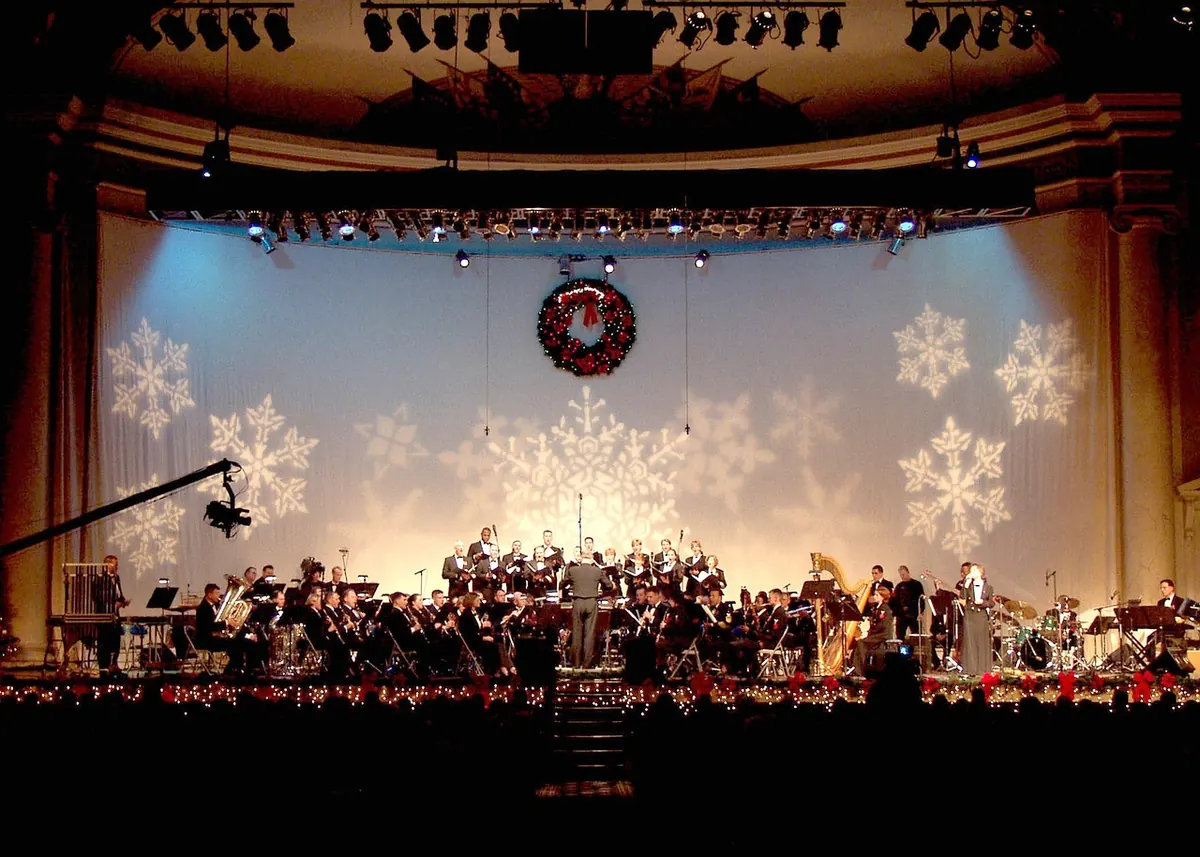
December at Pulse Room sits somewhere between a gig calendar and a small festival. The month fills up fast: touring shows in the first fortnight, packed weekend bills in the middle, then a strange, quieter stretch between Christmas and New Year when the city empties and refills all at once. What follows is the local version — how the month runs, how to get tickets without panicking, and how to still be standing when the encore finishes.
How the Month Actually Runs
The December programme tends to fall into three phases. Knowing which one you're buying into saves a lot of guesswork.
The first fortnight
Doors are usually earlier than the rest of the year, because half the audience has work in the morning. Support acts matter more in December than they do in July, partly because the headliners are often playing shorter sets before flying off to another city. These are frequently the best-value nights of the month, and oddly the ones that sell slowest. If a band you half-like is playing on a Tuesday in early December, that's the gig where you'll actually get near the front.
The middle two weeks
Peak season. Every promoter in the country wants the same Friday and Saturday, so the calendar gets crowded and the good nights go early. If there's one show you'd be genuinely annoyed to miss, treat it as a decision rather than a possibility. "We'll see how the week goes" is how people end up on the waiting list.
Between Christmas and New Year
Quieter, looser and cheaper. Local bills, late-night sets, a friendlier ratio of people at the bar to people on the floor. Walk-up tickets become realistic again, and deciding on the day is fine. It's also the best week to bring someone who hasn't been to the venue before — there's room to breathe, and room to talk.
Tickets: Buy Early, Buy Official
December ticketing punishes vagueness. A few things worth doing properly:
- Buy direct where you can. The venue's own box office is the most reliable source, and if anything changes on the night you'll be the first to hear about it.
- Join the mailing list. Announcements reach subscribers before they reach social media, and that head start is often the difference between a ticket and a waiting-list place.
- Check what you've bought. Standing, seated, balcony and accessible tickets aren't interchangeable, and some nights are one format only.
- Read the age policy first. Under-18s and under-16s are usually handled differently, and photo ID gets checked at the door on busy nights.
- Use official resale only. Tickets traded in group chats can't be verified, and staff can't help you if they turn out to be duplicates.
- Don't rely on the door. A small allocation is often held back, but it's a bonus, not a plan — especially in mid-December.
One more thing: waiting lists do move. Plans change constantly in December, so if a show sells out, add yourself and keep an eye on your inbox rather than writing off the night.
Getting There — and Getting Home
The journey home is the part people plan worst, and it's the part that decides whether the night ends well. Everything is busier in December: buses, trains, taxi ranks and the roads around the venue.
Before you leave the house
Work out your last realistic route home and the time it genuinely leaves. Add twenty minutes for cold, crowds and a slow exit through the cloakroom. If your route home involves a train, check for engineering works — December weekends are notorious for them.
Leaving the venue
If you're taking a taxi, book it before the encore instead of queuing afterwards. If you're walking, stick to lit main roads and go in a group; side streets are darker and quieter than they feel at seven o'clock. If you're driving, settle who isn't drinking before you set off, because parking near the venue is limited and late-night restrictions are enforced. If you're cycling, lock up properly and don't leave lights on the bike.
None of this replaces your own judgement about how much you drink or how you travel. If you're unsure, take the slower, safer option — it costs you half an hour and saves you a lot more.
Small Things That Make a Big Night Better
Use the cloakroom. Carrying a coat for four hours ruins more evenings than bad sound does, and a December queue at the end of the night is much shorter than the queue at the start.
Eat before you arrive, and drink water between drinks. If you're bringing earplugs, bring your own — decent ones are cheap and they make the following morning considerably easier. Take breaks near the back, where the sound is often better balanced and the air is cooler.
If you need step-free access, a seat, a companion ticket or somewhere quiet to sit for ten minutes, contact the venue in advance rather than asking on the night. Staff will help either way, but a week's notice gets you a much better answer than a five-minute one.
If You're Coming as a Group
Group nights fall apart in predictable ways. Someone buys tickets in a separate transaction and ends up in a different section. Someone arrives at nine and can't find anyone. Someone leaves without saying so, and twenty minutes disappear into searching the bar.
- Buy the tickets together, in one transaction, at one time.
- Agree a meeting point and a time before you leave the house — not "near the front".
- Share the door and set times in the group chat so nobody's guessing.
- Say out loud that people can leave whenever they want. It removes the guilt and stops the phone-call-at-midnight routine.
Quieter Nights in the Same Programme
Not every December night at Pulse Room is a packed floor and a wall of sound. The programme usually keeps a few seated shows and earlier, gentler bills in the mix, which suit a first visit, a group where half the party doesn't know the band, or anyone who finds a squeezed-in crowd more tiring than exciting. Midweek shows are the easiest introduction; you can arrive on time, find a spot near the bar, and leave when you like without fighting a single step.
New Year's Eve and the Nights Either Side
New Year's Eve tickets go early, and they're the one night of the month where "I'll decide nearer the time" reliably fails. If you want to be in the room, sort it in the first half of December. Expect a long night, a mixed bill, and a very slow cloakroom at midnight.
The nights either side are often better value and less fraught: same venue, same sound, fewer people deciding they have to have the best night of their lives. If you dislike pressure, that's the move.
Your December Checklist
- Pick your one unmissable night and buy that ticket first.
- Check the door time, ticket type and age policy before paying.
- Plan the journey home before you plan the journey there.
- Book the taxi or check the last train while you're still indoors.
- Message the group with a meeting point and a time.
- Eat something. Bring a coat you can live without for three hours.
- Contact the venue in advance about access, seating or anything that would make the night harder.
Then relax. The December gigs people remember aren't the ones planned to the minute — they're the ones where everything dull was already sorted, and the only thing left to do was listen.
Photo: 12019 / Pixabay