Two people can stand in the same room, watch the same band and come away with completely different gigs. One gets the bass in their chest and a clear view of the drummer's hands. The other spends ninety minutes behind a speaker stack, hearing mostly cymbals. Where you stand is the biggest thing you control on the night — bigger than which night you pick or what you paid.
Pulse Room is a forgiving space. There is no genuinely bad place to watch a band here. But the room does have a personality: the floor rises slightly towards the back, the raised tier changes what you hear as much as what you see, and the best mix is not at the front. Here is how each area behaves, so you can choose your spot rather than hope for one.
Work Out What You Actually Want
Three questions are worth answering before the doors open:
- Do you want to see the band or hear them? The best view and the best sound are usually a few metres apart.
- Do you want to move? Dancing needs floor space and a little distance from the front edge of the crowd.
- How long can you stand? Three hours on a hard floor is a different proposition from ninety minutes.
- Is anyone with you shorter, or do they need to sit down? That changes the answer completely.
The Front Rail
Standing within a few metres of the stage is the most intense place in the building. You see everything the band does — pedal changes, hand positions, the nod between the bassist and the drummer — and you feel the low end through your feet before you properly hear it. The trade-off is the mix. Up here you are hearing a lot of stage sound and monitors; vocals and keyboards can sit low, and if you plant yourself directly in front of a subwoofer stack, the bass will swallow everything else.
Sightlines are excellent, provided the person in front of you is not taller than you and wearing a hat. Turn up early, stand one step back from the rail and slightly off-centre, and you get most of the closeness with a great deal more air. Best for punk, rock and anything physical.
The Mid-Floor
Roughly five to twelve metres back, you are past the point where the stage sound dominates and inside the coverage of the main PA. This is where the mix usually sounds closest to what the band intended: guitars and vocals balanced, drums present without being painful. You will see the whole stage, though heads and shoulders will cross your line of sight, and you will be standing in the thick of the crowd rather than at its edge.
If you spot the mixing desk on its riser, the area just in front of or just behind it is rarely a bad bet. That position is chosen because it represents what most of the room hears.
The Raised Tier and Balcony
If seeing the band matters more than feeling them, go up. From the raised tier at the back you get a clean view over the crowd, the full width of the stage and often the best sense of the lighting. Sound arrives differently up there. You lose some of the chest-level punch and gain detail, so vocals and acoustic instruments can sit better while the kick drum feels further away.
The front row of the balcony is a genuine trade: unbeatable sightline, noticeably less atmosphere, because the energy of the crowd is all below you. If there is a low ceiling or an overhang above your head, bass can collect underneath it — move a couple of metres forward and it clears.
The Sides, Corners and Bars
Side-on positions are underrated and unpredictable. From the left or right you may get a clearer vocal or a muddier one, depending on which PA hang you are standing under. The further out you go, the more you hear the room rather than the system. Corners collect low frequencies, which is either wonderful or exhausting depending on what is being played.
Standing near a bar means queues, chatter and a compromised view — but also a fast exit, a drink in your hand and nobody pushing past you. The back wall is fine for a chatty gig and hopeless for one where you want to watch hands on a fretboard.
Getting Settled: Practical Points
- Check set times before you travel. Doors, support and headline times are usually posted on the day, and arriving halfway through the support act is how you end up at the back.
- Travel light. Coats and bags are awkward in a crowd, and there is rarely enough hanging space for everyone.
- Bring earplugs. The front rail and the areas near the subwoofers are the loudest places in the building, and hearing damage builds up over time. Cheap foam ones help; better ones keep the music clear while cutting the level.
- Ask about access in advance. If you need step-free access, a seat or a spot with a clear route out, contact the venue before the show rather than on the night. Staff can usually help when they know ahead of time.
- Buy two drinks at once if you are on the floor. Losing your place for a round trip is worse than warm lager.
Matching the Spot to the Gig
Loud, physical bands: the front rail or the first few metres, slightly off-centre. Accept the trade in mix quality as part of the deal.
Singer-songwriters and quiet sets: mid-floor, where the PA is balanced, or the raised tier if you want to sit and actually hear the words.
Electronic and dance: mid-floor to the back, where there is room to move and the bass has space to develop.
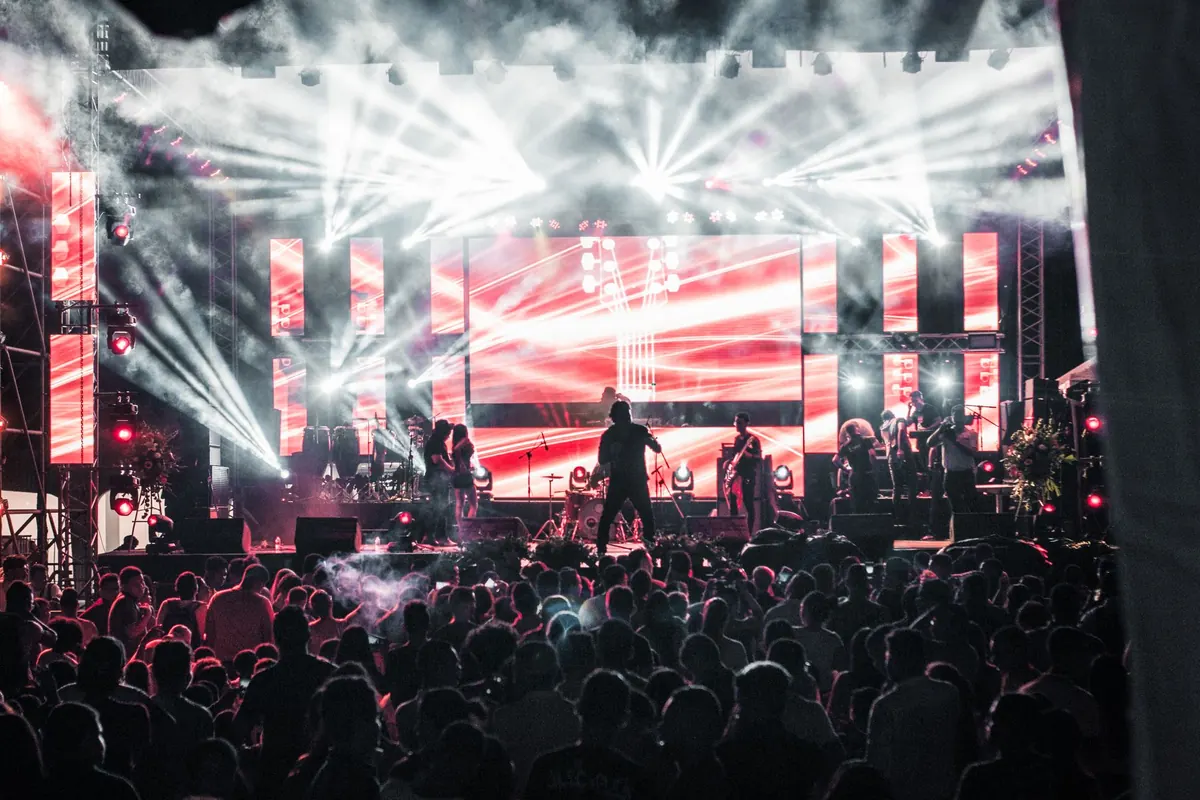
Big productions and light shows: the balcony, every time. You are paying for the whole picture.
Mixed groups: the raised tier gives the shortest person in your party a view and the tallest an excuse to stand at the back.
Arrive early, walk the room once before you commit, and do not be afraid to move between the support act and the headline. The best spot at Pulse Room is the one that matches what you came for — and you will know within a song whether you have found it.
Photo: george charry / Pexels